
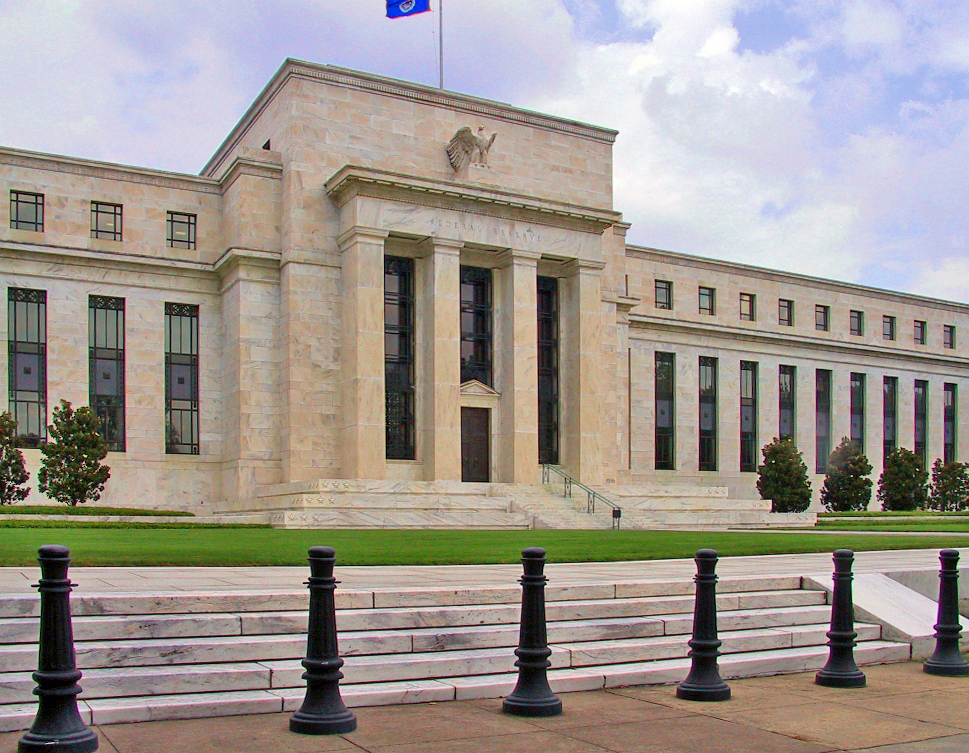
The context
Seven areas define coverage: secured funding, commercial paper, money-market funds, central-bank digital currencies, tokenized assets, payment and settlement networks, and clearinghouse margin. The framework connects them through collateral availability, redemption terms, operating capacity and liquidity demand.
We examine SOFR relative to administered rates, repo volumes and tails, standing-facility activity and Treasury settlements. A positive spread on one date is a reason to investigate, not proof of reserve scarcity. Month-end balance sheets, tax dates and collateral supply can affect the same measures.
What we track
Definitions and interpretation below describe our coverage. They are not live readings or mechanical buy/sell instructions.
Overnight rates and repo distributions
SOFR, related repo rates, volumes and published percentile measures on consistent business dates.
How to read it: Inspect persistence and market context. Rate tails cannot be attributed to weak borrowers without participant evidence; collateral and dealer constraints also matter.
Source & methodology ↗Commercial paper funding
Amounts outstanding, new issuance, maturity buckets and credit pricing within comparable issuer categories.
How to read it: A decline may reflect weaker demand, seasonal cash needs or substitution into other financing. Same-tenor comparisons are necessary before describing a credit spread.
Source & methodology ↗Money-market fund liquidity
Assets, portfolio maturity, liquid-asset measures, investor categories and published yield definitions.
How to read it: Asset growth is not exact net subscriptions and does not prove that investors sold stocks. Government funds still have operational, liquidity and market risks.
Source & methodology ↗Facility and collateral use
Repo facilities, reverse repos, reserves and changes in eligible collateral or haircuts.
How to read it: Facility take-up may reflect normal access or stress. A haircut changes collateral credit; it does not necessarily require cash-only collateral.
Source & methodology ↗Digital infrastructure maturity
Research, proof of concept, pilot, limited operation or full production, with legal and redemption structure documented.
How to read it: A technology demonstration is not a deployed payment system. Tokenized deposits remain bank liabilities, while a CBDC is a central-bank liability.
Source & methodology ↗Clearing and settlement exposure
Initial-margin stocks, variation-margin flows, settlement failures and public clearinghouse resources.
How to read it: These measures cannot be added into one exposure number. Liquidity needed today and ultimate credit loss are related but different risks.
Source & methodology ↗How we cover it
Monitor SWIFT, CIPS, CLS and DTCC according to each published universe, together with CME, LCH and ICE margin notices. Messaging value, traded activity and settled value require their own labels.
Tokenized Treasury or credit products need asset, liability, custody and redemption definitions. Stablecoin supply, token supply, fund assets and underlying loans should not be double-counted.
What the numbers can miss
Quarterly clearinghouse disclosures are not real-time intraday data. Public access to a project description does not establish current transaction volumes.
Reserve attestations are not automatically full financial-statement audits. On-chain visibility alone cannot prove legal title, liquidity or unconditional round-the-clock redemption.
Sources & editorial context
All seven areas in the original funding-infrastructure chat are preserved. This guide describes monitoring requirements without claiming a connected live infrastructure feed.
- New York Fed — Secured Overnight Financing Rate
- New York Fed — Markets and policy implementation
- Federal Reserve — Commercial paper
- SEC — Money Market Fund Statistics
- BIS — Data portal
- BIS — Derivatives statistics
Coverage framework informed by the publisher’s Short-Term Funding Markets reference discussion. Discussions guide the reporting agenda; factual claims and metrics are checked against the identified source institutions.